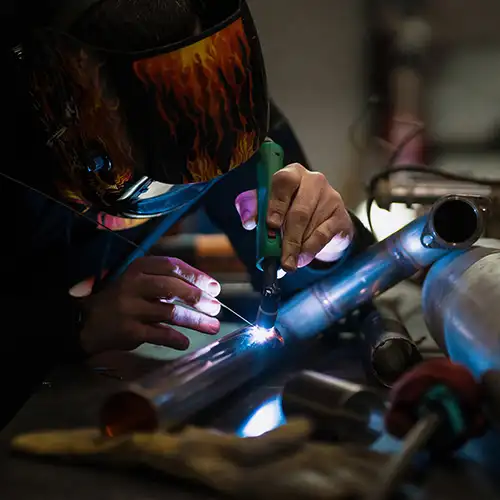

Gas Treatment Process
What is the Gas Treatment Process?
Gas treatment is a series of processes used to remove unwanted contaminants from a gas stream and bring the gas to the required quality and operating conditions. The exact treatment process depends on the composition of the raw gas and the required quality of the treated gas.
Inlet Reception & Flow Control
The point where the raw gas enters the facility. The first objective is to receive, isolate, measure, and control the gas flow safely while protecting valves and downstream equipment from large particles.
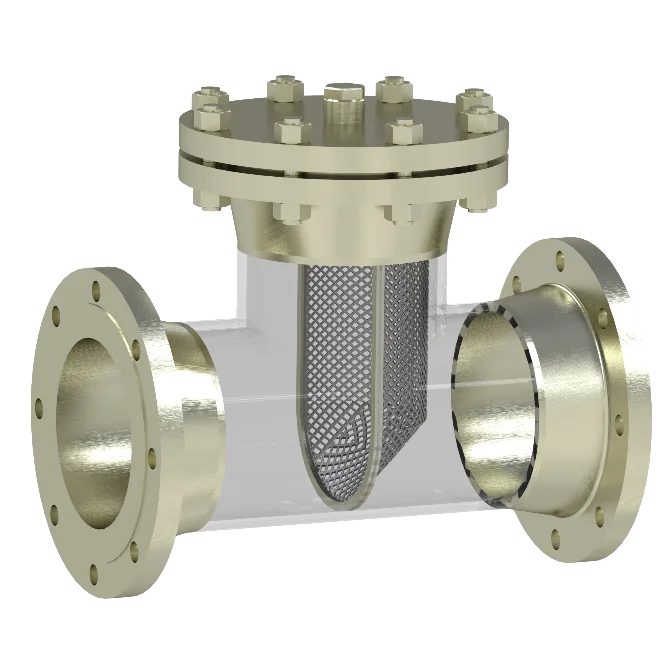
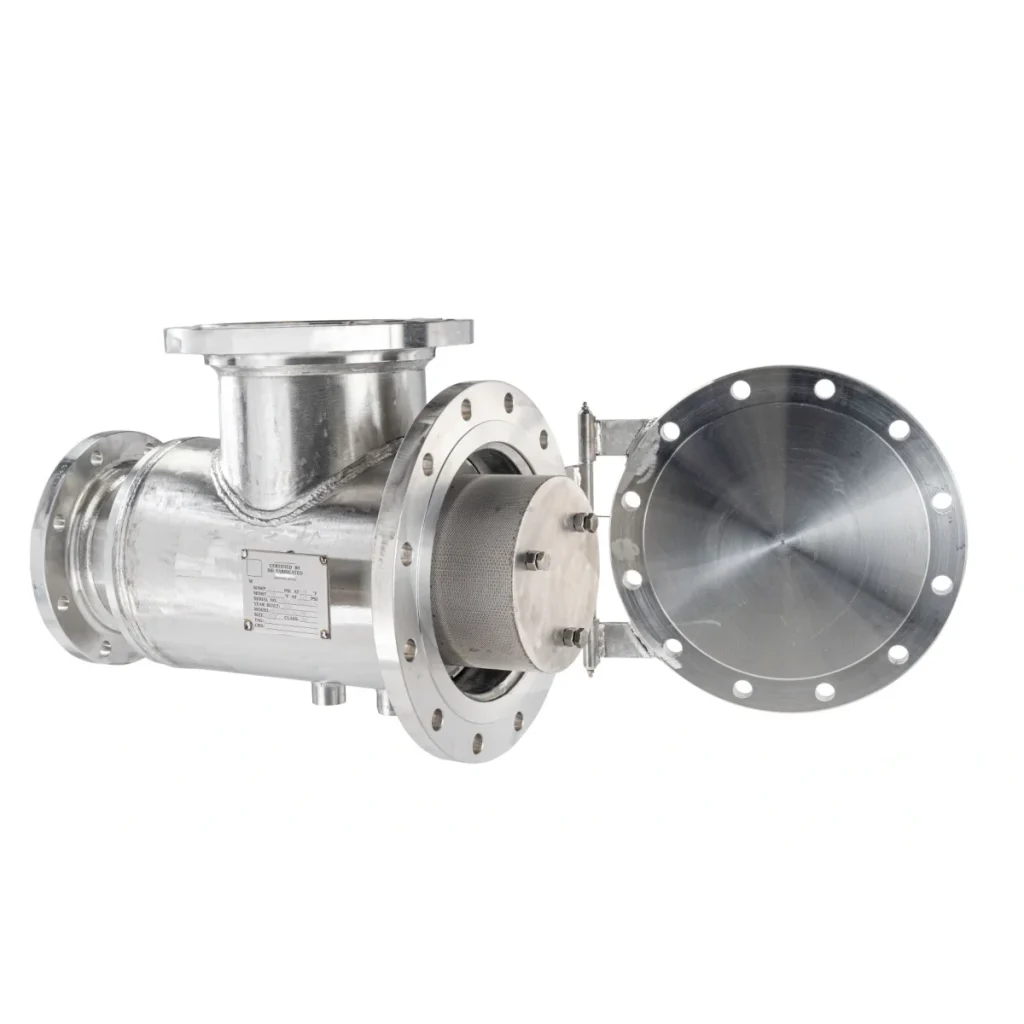
Gas-Liquid Separation
One of the most important initial treatment stages. Raw gas can contain free liquids such as water or condensed hydrocarbons that must be removed before reaching sensitive downstream equipment.


Gas Filtration & Coalescing
After bulk liquid separation, the gas may still contain fine solid particles or small liquid droplets. A coalescer combines very small droplets into larger ones for efficient separation.

Gas Dehydration
Gas is dried to prevent hydrate formation, condensation, and corrosion. Common technologies include Glycol dehydration or Solid desiccant dehydration.
Acid Gas Removal / Gas Sweetening
Removing contaminants like H2S and CO2. Amine sweetening is a common technology utilized in this stage for effective contaminant removal.

Hydrocarbon Dew Point Control
Removing heavier hydrocarbons to prevent liquid formation and pipeline fouling during pressure and temperature changes.
Final Filtration / Polishing
A final filtration stage installed before the treated gas is sent to its destination. It removes residual fine particles, oil, and liquid droplets.
Pressure & Temperature Conditioning
The treated gas may need to be delivered at a specific pressure and temperature, requiring final adjustments and conditioning.